0:00
0:00
Trump in Direct Assault: European Leaders Are Weak, Immigration a Disaster. Russia Is Strong and Big — and Will Win
In an extensive interview, President Trump sharply criticizes Europe’s leadership and migration policies, questions Ukraine’s democratic standing, and argues Russia’s size gives it the upper hand in the war.
President Donald Trump has intensified his criticism of Europe’s political leadership, arguing that their handling of migration is pushing their countries toward dysfunction and weakening the foundations of Western cooperation.
The remarks come just days after his administration formalised similar critiques in a national security strategy document, stating that the United States intends to support internal resistance to the policies pursued by Europe’s governing elite.
In the interview, Trump described European leaders as indecisive and constrained by political correctness, warning that large-scale migration would leave major European capitals unrecognisable.
He pointed to significant inflows from Africa and the Middle East, claiming that some arrivals were released from foreign prisons.
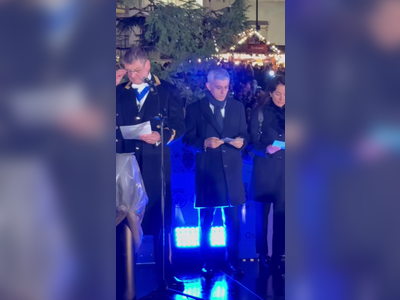
London and Paris, he said, no longer resemble the cities he once knew, and he levelled personal criticism at London’s mayor, calling him unfit for office.
Trump also revisited the administration’s strategic document alleging that Europe faces a “civilisational erasure” due to permissive migration policies, raising doubts about the continent’s long-term reliability as a U.S. ally.
He repeated that assessment in his own words, arguing that if current trends continue, several European countries will cease to function effectively.
Addressing U.S. support for nationalist movements in Europe, Trump said he is prepared to back right-leaning candidates, noting that he has long supported Hungarian Prime Minister Viktor Orbán.
His stance has unsettled many in Europe, where governments have expressed concern that Washington may be recalibrating its commitments at a moment of heightened Russian pressure.
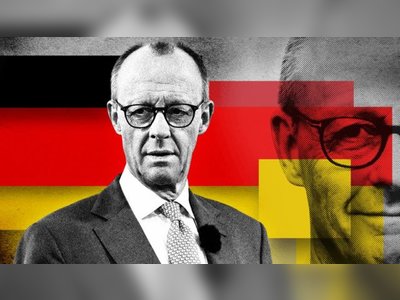
German Chancellor Friedrich Merz responded by saying the developments underscore the need for Europe to become far more self-reliant in matters of defence.
He argued that if European democracy must be defended, Europe should be prepared to safeguard it independently.
On Ukraine, Trump criticised President Volodymyr Zelensky for postponing national elections during wartime — a step Zelensky says is required by security constraints — arguing that Ukraine cannot claim democratic legitimacy without holding a vote.
Trump also hinted that Kyiv should consider territorial concessions to Moscow, saying Zelensky is losing ground and must “begin to agree to things”.
Zelensky later insisted that Ukraine cannot legally or morally surrender territory under its constitution or international law.
Trump maintained that Russia enjoys the stronger negotiating position, describing it as a far larger and more powerful state.
He acknowledged the courage of Ukrainian fighters but said Moscow now holds the advantage after months of incremental gains in Donbas.
If Ukraine continues to lose territory, he said, its leadership will eventually need to compromise.
He added that had he not been elected, the conflict in Europe might have escalated into a global war, though he considers that unlikely now.
However, he warned that Europe is mishandling the crisis and must cooperate more closely with Washington.
The interview also touched on Venezuela, where Trump’s administration has taken steps to pressure President Nicolás Maduro through maritime operations targeting drug-smuggling vessels.
Trump declined to say whether he would authorise strikes on Venezuelan soil or deploy ground forces, but repeated that Maduro’s “days are numbered”.
He said he would also consider actions against targets in countries such as Colombia and Mexico as part of a broader anti-trafficking campaign.
Shortly after the interview was released, reports indicated that U.S. officials are quietly preparing contingency plans for a post-Maduro Venezuela, examining how Washington might stabilise the country should Maduro be removed through military action or via a negotiated exit.
According to those briefed on the discussions, the focus is on preventing state collapse and ensuring a rapid transition should the Venezuelan government lose its ability to function.
The remarks come just days after his administration formalised similar critiques in a national security strategy document, stating that the United States intends to support internal resistance to the policies pursued by Europe’s governing elite.
In the interview, Trump described European leaders as indecisive and constrained by political correctness, warning that large-scale migration would leave major European capitals unrecognisable.
He pointed to significant inflows from Africa and the Middle East, claiming that some arrivals were released from foreign prisons.
London and Paris, he said, no longer resemble the cities he once knew, and he levelled personal criticism at London’s mayor, calling him unfit for office.
Trump also revisited the administration’s strategic document alleging that Europe faces a “civilisational erasure” due to permissive migration policies, raising doubts about the continent’s long-term reliability as a U.S. ally.
He repeated that assessment in his own words, arguing that if current trends continue, several European countries will cease to function effectively.
Addressing U.S. support for nationalist movements in Europe, Trump said he is prepared to back right-leaning candidates, noting that he has long supported Hungarian Prime Minister Viktor Orbán.
His stance has unsettled many in Europe, where governments have expressed concern that Washington may be recalibrating its commitments at a moment of heightened Russian pressure.
German Chancellor Friedrich Merz responded by saying the developments underscore the need for Europe to become far more self-reliant in matters of defence.
He argued that if European democracy must be defended, Europe should be prepared to safeguard it independently.
On Ukraine, Trump criticised President Volodymyr Zelensky for postponing national elections during wartime — a step Zelensky says is required by security constraints — arguing that Ukraine cannot claim democratic legitimacy without holding a vote.
Trump also hinted that Kyiv should consider territorial concessions to Moscow, saying Zelensky is losing ground and must “begin to agree to things”.
Zelensky later insisted that Ukraine cannot legally or morally surrender territory under its constitution or international law.
Trump maintained that Russia enjoys the stronger negotiating position, describing it as a far larger and more powerful state.
He acknowledged the courage of Ukrainian fighters but said Moscow now holds the advantage after months of incremental gains in Donbas.
If Ukraine continues to lose territory, he said, its leadership will eventually need to compromise.
He added that had he not been elected, the conflict in Europe might have escalated into a global war, though he considers that unlikely now.
However, he warned that Europe is mishandling the crisis and must cooperate more closely with Washington.
The interview also touched on Venezuela, where Trump’s administration has taken steps to pressure President Nicolás Maduro through maritime operations targeting drug-smuggling vessels.
Trump declined to say whether he would authorise strikes on Venezuelan soil or deploy ground forces, but repeated that Maduro’s “days are numbered”.
He said he would also consider actions against targets in countries such as Colombia and Mexico as part of a broader anti-trafficking campaign.
Shortly after the interview was released, reports indicated that U.S. officials are quietly preparing contingency plans for a post-Maduro Venezuela, examining how Washington might stabilise the country should Maduro be removed through military action or via a negotiated exit.
According to those briefed on the discussions, the focus is on preventing state collapse and ensuring a rapid transition should the Venezuelan government lose its ability to function.
Translation:
Translated by AI
AI Disclaimer: An advanced artificial intelligence (AI) system generated the content of this page on its own. This innovative technology conducts extensive research from a variety of reliable sources, performs rigorous fact-checking and verification, cleans up and balances biased or manipulated content, and presents a minimal factual summary that is just enough yet essential for you to function as an informed and educated citizen. Please keep in mind, however, that this system is an evolving technology, and as a result, the article may contain accidental inaccuracies or errors. We urge you to help us improve our site by reporting any inaccuracies you find using the "Contact Us" link at the bottom of this page. Your helpful feedback helps us improve our system and deliver more precise content. When you find an article of interest here, please look for the full and extensive coverage of this topic in traditional news sources, as they are written by professional journalists that we try to support, not replace. We appreciate your understanding and assistance.