Supreme Court Prepares Decision on Legality of President Trump’s Tariffs Under Emergency Powers Law
The ruling could redefine how far presidential authority extends under economic emergency statutes and determine whether importers are owed refunds.
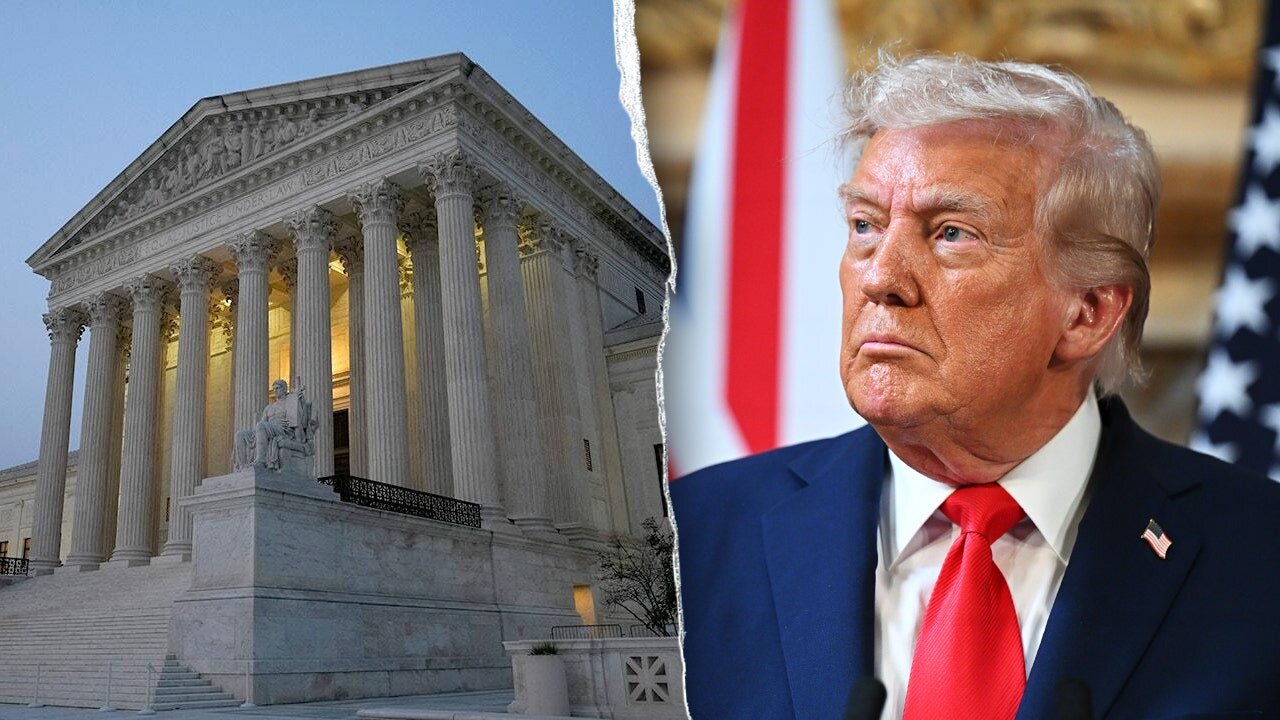
The United States Supreme Court is poised to consider a closely watched case examining whether tariffs imposed by President Donald Trump are lawful under federal emergency powers.
The court has designated Friday as a decision day, raising expectations that the dispute may be addressed among the opinions released.
At the center of the case are two core legal questions.
The first is whether the Trump administration can lawfully rely on the International Emergency Economic Powers Act to impose tariffs.
The second concerns potential consequences if that reliance is found improper, specifically whether the government would be required to refund importers who have already paid the duties.
The outcome is not expected to be a simple approval or rejection.
One scenario under consideration would narrow the administration’s authority under the act while allowing only partial reimbursement to affected importers.
Other tailored outcomes are also possible, reflecting the political and economic sensitivity of a matter closely scrutinised by financial markets.
Even in the event of an adverse ruling, the administration would retain alternative legal avenues to pursue tariffs without invoking emergency powers.
Treasury Secretary Scott Bessent has indicated he expects a complex decision, describing it as a mishmash rather than a clear win or loss.
Bessent has emphasised that the government’s ability to continue collecting tariffs at roughly the same overall revenue level is not in doubt.
He warned, however, that a loss could reduce the president’s flexibility to use tariffs as tools for national security and negotiating leverage.
President Trump has cited the law in part as an emergency measure aimed at stopping the inflow of fentanyl into the United States.
The ruling may reshape the balance between executive power and statutory limits in trade policy.
The court has designated Friday as a decision day, raising expectations that the dispute may be addressed among the opinions released.
At the center of the case are two core legal questions.
The first is whether the Trump administration can lawfully rely on the International Emergency Economic Powers Act to impose tariffs.
The second concerns potential consequences if that reliance is found improper, specifically whether the government would be required to refund importers who have already paid the duties.
The outcome is not expected to be a simple approval or rejection.
One scenario under consideration would narrow the administration’s authority under the act while allowing only partial reimbursement to affected importers.
Other tailored outcomes are also possible, reflecting the political and economic sensitivity of a matter closely scrutinised by financial markets.
Even in the event of an adverse ruling, the administration would retain alternative legal avenues to pursue tariffs without invoking emergency powers.
Treasury Secretary Scott Bessent has indicated he expects a complex decision, describing it as a mishmash rather than a clear win or loss.
Bessent has emphasised that the government’s ability to continue collecting tariffs at roughly the same overall revenue level is not in doubt.
He warned, however, that a loss could reduce the president’s flexibility to use tariffs as tools for national security and negotiating leverage.
President Trump has cited the law in part as an emergency measure aimed at stopping the inflow of fentanyl into the United States.
The ruling may reshape the balance between executive power and statutory limits in trade policy.
AI Disclaimer: An advanced artificial intelligence (AI) system generated the content of this page on its own. This innovative technology conducts extensive research from a variety of reliable sources, performs rigorous fact-checking and verification, cleans up and balances biased or manipulated content, and presents a minimal factual summary that is just enough yet essential for you to function as an informed and educated citizen. Please keep in mind, however, that this system is an evolving technology, and as a result, the article may contain accidental inaccuracies or errors. We urge you to help us improve our site by reporting any inaccuracies you find using the "Contact Us" link at the bottom of this page. Your helpful feedback helps us improve our system and deliver more precise content. When you find an article of interest here, please look for the full and extensive coverage of this topic in traditional news sources, as they are written by professional journalists that we try to support, not replace. We appreciate your understanding and assistance.